NATIONAL TRANSMISSION WHERE DEPENDABLE SERVICE IS AUTOMATIC
TRANSMISSION EXPERTSTRANSMISSION EXPERTSTRANSMISSION EXPERTSTRANSMISSION EXPERTSTRANSMISSION EXPERTSTRANSMISSION EXPERTS


CONSUMER GUIDE

ABOUT YOUR TRANSMISSION

WHAT'S THAT NOISE?

BASIC MAINTENANCE
  • What Can I Do?
  • Transmission Fluids
    Checking Fluids
    Type of Fluids
    Reading the Fluid
  •  


    Consumer Guide Overview


    These are some of the questions you may ask when you take your vehicle to a repair shop for work. Your concern may be even greater if the problem involves something as complicated as an automatic transmission.
    National Transmission wants you to know your rights when it comes to vehicle repairs.
    This article should give you some guidelines on how to proceed with an automatic transmission problem, and how to get help if you have a problem.


    What is an Automatic Transmission?

    The transmission is a group of parts that transmits power from a vehicle's engine to the drive axle, which in turn makes the wheels go around. If you do not use a clutch to switch gears, your vehicle has an automatic transmission. If you use a clutch, your transmission is manual.
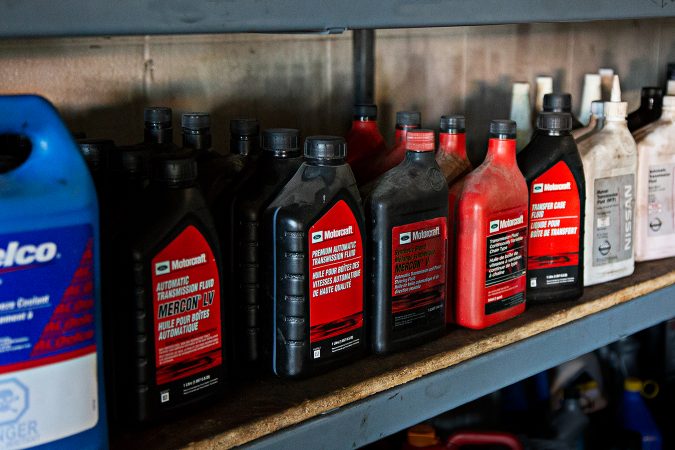
    Automatic transmissions contain an oil-like fluid to cool and lubricate the mechanism. The level and quality of this fluid should be checked regularly (see your vehicle owner's manual) and replaced if needed.
    If your transmission performance seems good, the fluid is clear and red, and you have not had to add fluid, leave your transmission alone.


    What is Normal Maintenance?

    Maintenance consists primarily of checking the transmission fluid quality, refilling if necessary and periodically having the transmission screen or filter cleaned or replaced. Consult your owner's manual for details.
    Routine maintenance can be performed by most service stations, repair shops or auto dealerships, and does not require a specialist.


    What is an Inspection Service?

    The inspection service advertised by most transmission shops includes such procedures as:

    • Fluid level check
    • Test drive
    • Manual linkage check
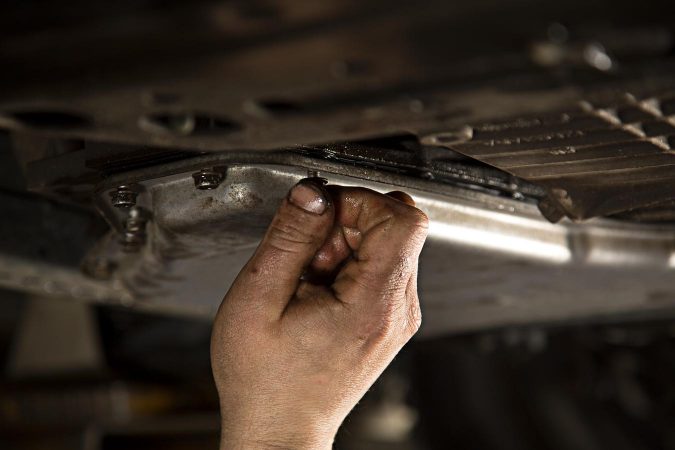
    • Oil pan removal
    • Band adjustment, screen cleaning or filter replacement

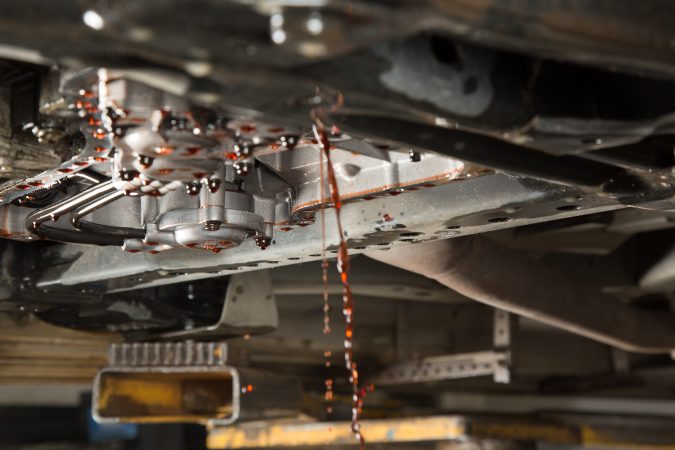
    The oil pan is usually removed and inspected for metal particles and friction material.
    Tiny metal particles in the transmission pan do not necessarily indicate a problem. Even a moderate amount of metal particles is normal for most vehicles.


    If there is a problem, how much will it cost?

    The transmission is a complicated assembly and many different things may go wrong with it.
    Some easy-to-reach small parts may cost as little as $20 including labour. At the other extreme, it may cost hundreds of dollars to repair or rebuild a severely damaged transmission.
    Your best bet is to invest in inexpensive routine maintenance and get your transmission checked by a competent shop such as National Transmissions. One thing is for certain, your transmission will not get better on its own!


    Back to top


    Home
    | National Services | Consumer Guide | FAQ’s | About Us | Locations Map | Contact Form | Site Use | Site Map
    Web design and site optimization by OTR Web Systems